RAHAT

CAR- RAHAT

Centre for Advanced Research for Rural Health Care Transformation

RurAl Health cAre Transformation (RAHAT) – Smart Village Initiative is a research and implementation project aimed at building research capacity and developing contextually relevant solutions to address rural public health challenges and redesign rural public health systems through digital health, task shifting and community engagement.

The initiative was conceptualised in response to continued inequities in primary healthcare delivery in rural India, despite proven interventions. RAHAT seeks to bridge “know-do gap” through structured capacity building and digital health innovations & aims to develop, implement and evaluate a sustainable, scalable and equitable model that improves access, quality and continuity of rural healthcare services.

Team Details (PI, Co-PIs, RAHAT Secretariat)

Prof. Dorairaj Prabhakaran

Executive Director, Centre for Chronic Disease Control (CCDC)

Dr Sailesh Mohan

Deputy Director & Head-CVD Epidemiology, Centre for Chronic Disease Control

Dr Poornima Prabhakaran

Deputy Director & Head - Environmental Health, Senior Research Scientist

Dr Arun P Jose

Deputy Director & Head - BRIDGE Centre for Digital Health

Dr Ishita Gupta

Assistant Director & Research Scientist, Centre for Chronic Disease Control

Ms. Mansi

Qualitative Researcher, BRIDGE Centre for Digital Health

Dr Akansha Kumari

Program Coordinator, BRIDGE Centre for Digital Health

Dr Srishti Nawani

Program coordinator, BRIDGE Centre for Digital Health

Project Execution

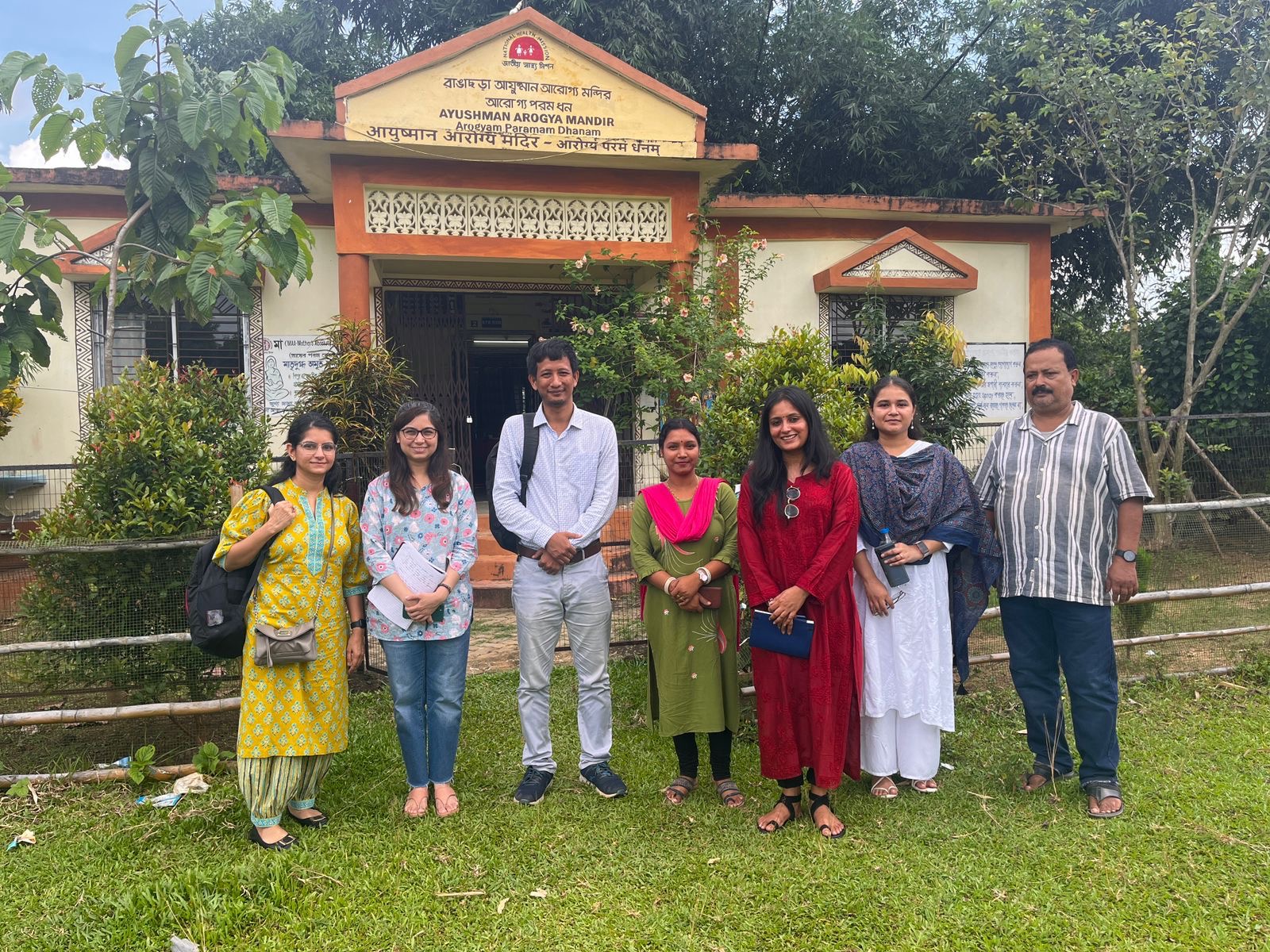
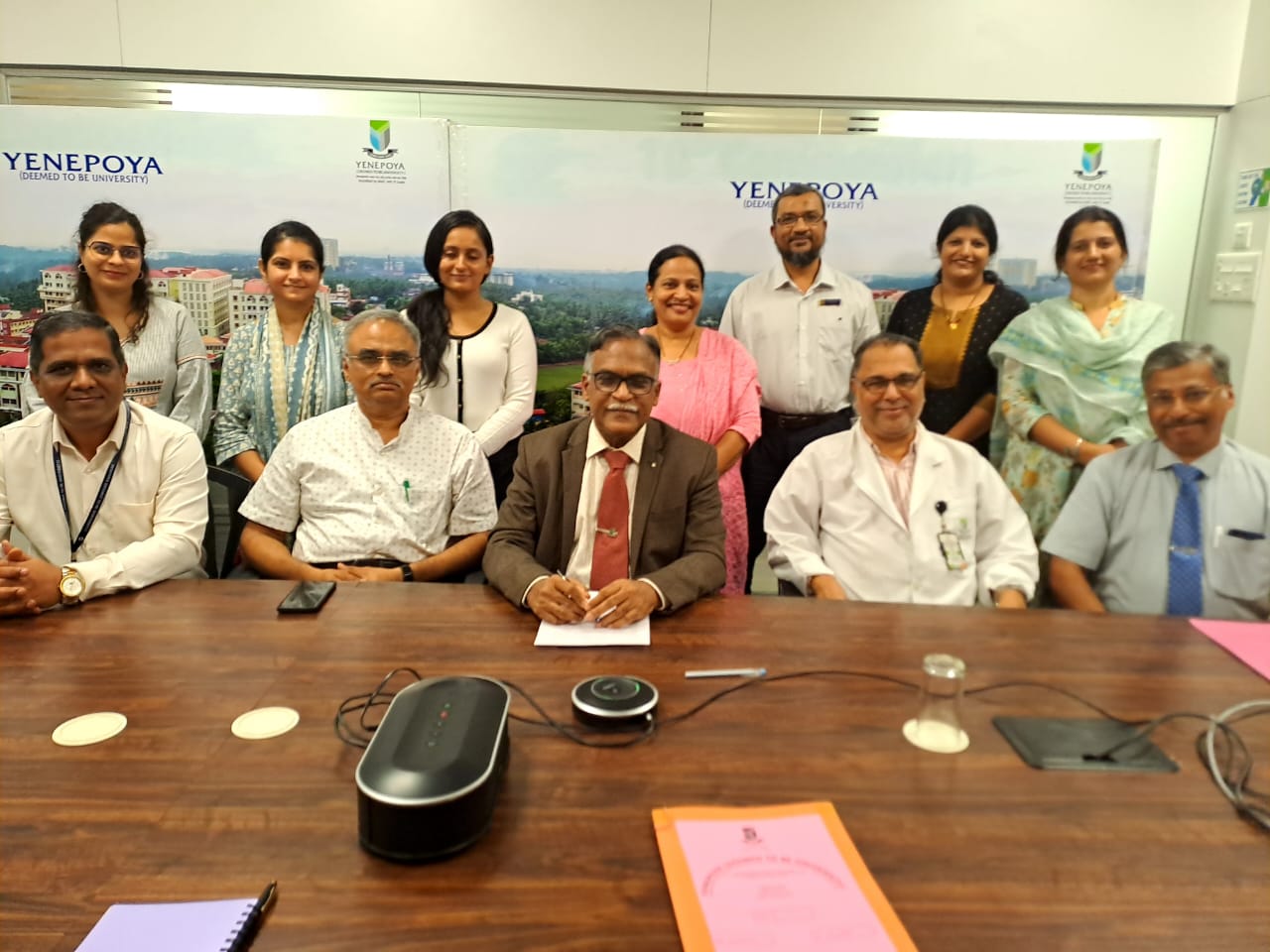
The Project is being implemented as multi-site research and implementation programme across six medical institutions (Agartala Government Medical College, Agartala; BKL Walawalkar Rural Medical College, Ratnagiri; Christian Medical College, Ludhiana; Madras Medical College, Chennai; PSG Institute of Medical Sciences and Research, Coimbatore; and Yenepoya Medical College, Mangalore) in India and their affiliated Rural Health Training Centres (RHTCs)/ Primary Health Centres (PHCs). It follows a phased approach to ensure that interventions are contextually relevant, informed by evidence and responsive to local health system and community needs.

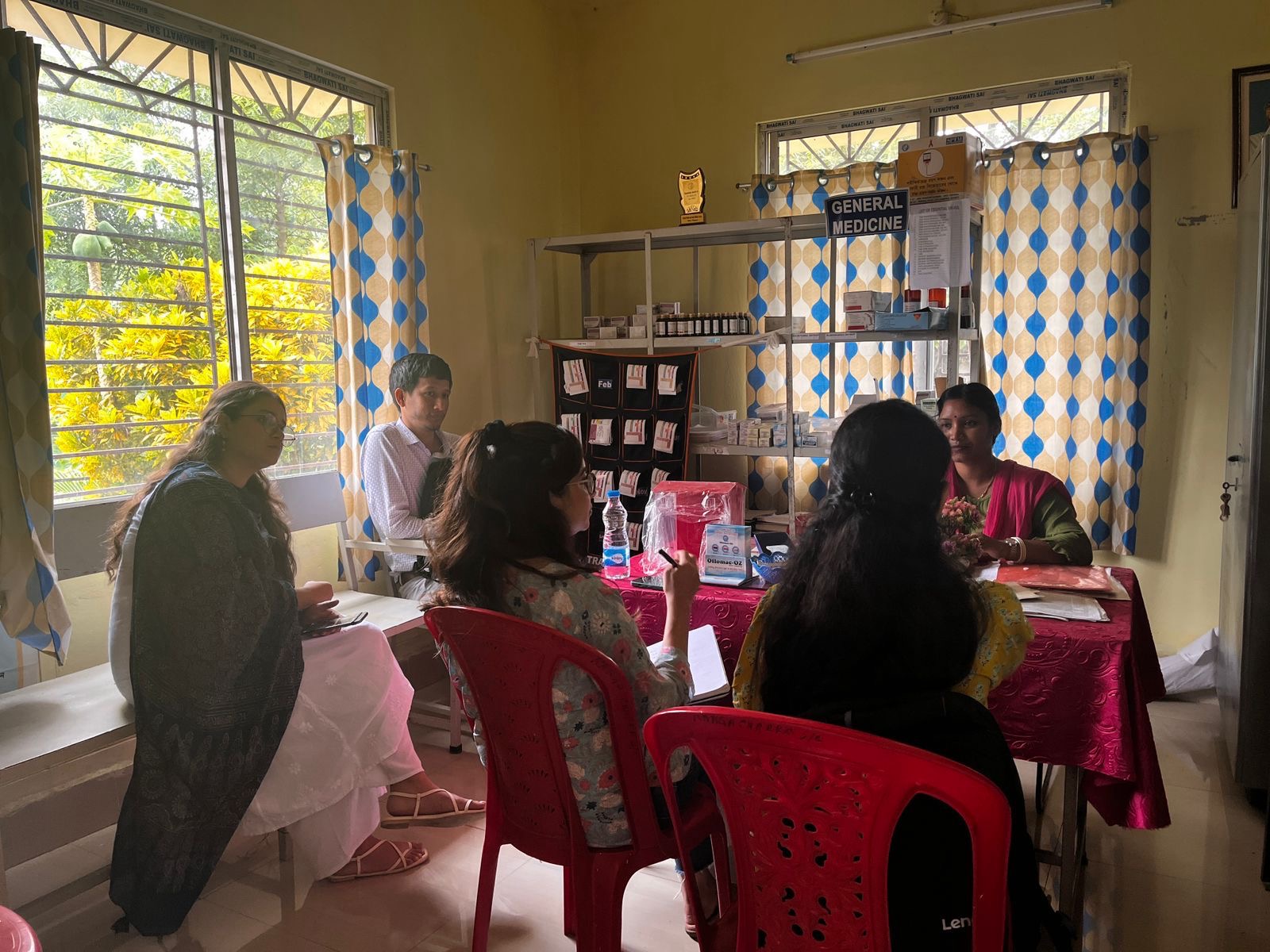
The execution began with formative phase which focused on understanding existing healthcare system, service delivery gaps and community needs. This phase involved qualitative interviews with faculty, students, researchers, healthcare providers and community members; facility assessments at RHTCs; patient exit interviews; antenatal care (ANC) service assessments; and household-level enumeration and baseline surveys. Existing Medical Research Units (MRUs)/ Research Divisions (RDs) were leveraged to conduct situational analyses for strengthening institutional research processes.

Findings from formative phase informed refinement of implementation strategies, including research capacity-building activities, training frameworks and digital health workflows. Multi-stakeholder meetings and a co-design workshop were also conducted to refine strategies across priority domains such as digital health, maternal health, non-communicable diseases and community engagement.

The project has now transitioned into vanguard phase, during which implementation pathways, roles and workflows have been clarified. This phase focuses on preparing institutions, facilities and communities for iterative implementation and testing of interventions. Collectively, these processes aim to support scalable and sustainable improvements in rural primary healthcare delivery.

Project’ Potential Impact-

The Project is expected to generate sustained system and population-level improvements in rural primary healthcare with following outcomes expected:

  • Improved institutional and research capacity within medical colleges and rural health training centres aligned with rural health priorities.
  • Better access to care and patient satisfaction, reduced health disparities and improved health outcomes delivered through digitally enabled, climate-resilient facilities.
  • A scalable, sustainable and replicable rural health model co-designed with stakeholders and communities.
  • Improved health-seeking behaviour and compliance to care through digital health literacy, strengthened referral linkages and health promotion.
  • Strengthened continuity of care, supported by integrated digital systems and improved data-driven decision-making.